Diwali 2024: Dhanteras, New Year, Bhai Dooj: 7 days of festival of lights & its significance
Diwali, one of the most anticipated festivals in India, is celebrated with grandeur, lights, joy, and reverence. The six-day celebration starts with Vagha Baras and continues through Dhan Teras, Kali Chaudas, Diwali itself, Bali Pratipada, and Bhai Dooj. This festival isn’t just about lights and sweets; each day is filled with unique rituals, stories, and meanings that are cherished across generations. But here are some important things that you must know about!
Table of Contents
Day 1: Vagh Baras – A Celebration of Knowledge, Art, and Prosperity
Vagh Baras, also known as Govatsa Dwadashi, marks the start of the vibrant six-day Diwali festival. Often called “Vaak Baras,” derived from “Vaak” or “Vaani,” this day is dedicated to honoring the goddess Saraswati, who bestows the gifts of wisdom, speech, and the arts. Celebrated on the 12th day of Ashvin Krishna Paksha, Vagh Baras isn’t just about clearing debts; it’s a day to clear the mind and soul, invoking Saraswati’s blessings for creativity, knowledge, and success in the new year.
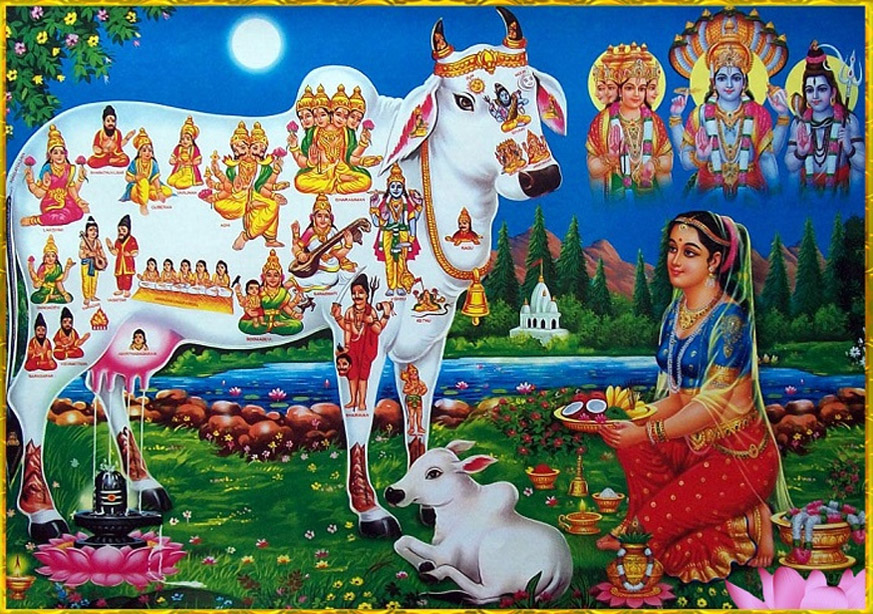
According to Hindu tradition, the festival emphasizes the importance of gaining Saraswati’s favor before embarking on a new journey. Saraswati, the goddess of wisdom, language, music, and arts, plays a crucial role in our life. By worshipping her, devotees seek blessings to excel in all their endeavors whether it be in studies, career, or personal development. This homage to Saraswati is believed to set a strong foundation for the new year, enriching lives with knowledge, clarity, and success.
In addition to revering Goddess Saraswati, Vagh Baras is celebrated as Govatsa Dwadashi, a day that pays homage to the sacred cow and her calf. According to ancient texts, the celestial Kamadhenu cow was born during the Samudra Manthan (the churning of the ocean), and it was said that Kamadhenu could fulfill any desire. As a result, people worship the cow and calf on this day, seeking their blessings for abundance, well-being, and wish-fulfillment in the upcoming year. The cow represents Mother Earth, nurturing life, providing sustenance, and embodying compassion—values integral to the spirit of Diwali.
Rituals of Vagha Baras
- Cow Worship: In rural and some urban areas, people offer special prayers to cows, feed them a meal of fresh grains, and decorate them with flower garlands.
- Financial Cleansing: Many merchants and families make it a point to clear outstanding debts. They also clean and decorate their homes, signifying a fresh financial and spiritual start.
Day 2: Dhan Teras – Welcoming Wealth and Health
Dhan Teras, or Dhantrayodashi, is celebrated on the 13th day of Krishna Paksha in the month of Ashwin, marking the beginning of the Diwali festivities. “Dhan” means wealth, and on this day, people worship the goddess of wealth, Lakshmi. It is also dedicated to Lord Dhanvantari, the deity of Ayurveda and health, whose blessings are invoked for well-being. This day is considered highly auspicious for purchasing metals, especially gold and silver, symbolizing prosperity as the festival of Diwali approaches.
Also Read This: Happy Dhanteras wishes: 50+ Happy Dhan Teras messages, greetings, quotes, status for WhatsApp
Story of Dhanvantari
The story of Lord Dhanvantari’s emergence begins with a timeless cosmic conflict between the Devas (gods) and the Asuras (demons). Despite their divine powers, the Devas found themselves losing strength, becoming vulnerable in the face of the Asuras’ growing dominance. Concerned by this shift in power, the Devas sought the guidance of Lord Vishnu, the preserver of the universe, who suggested an extraordinary solution: to obtain the elixir of immortality, Amrit, from the depths of the cosmic ocean by churning it, a process that would require both the Devas and Asuras to work together.
To achieve this divine task, the Devas and Asuras agreed to a temporary truce and began the Samudra Manthan (churning of the cosmic ocean) using the Mount Mandara as the churning rod and the Serpent King Vasuki as the rope. With the Devas holding one end of Vasuki and the Asuras the other, they pulled back and forth, churning the ocean in hopes of bringing forth treasures hidden within its depths. The churning was arduous and fraught with challenges. Many valuable and mystical objects emerged from the ocean, each with unique significance—gems, divine animals, and even the goddess Lakshmi herself.
Finally, from the churning ocean emerged a radiant figure Lord Dhanvantari, the divine physician and an incarnation of Lord Vishnu. He held in his hands a pot filled with the Amrit, the nectar that would grant immortality to those who drank it. Lord Dhanvantari’s appearance marked not only the discovery of the elixir but also the bestowal of health, wellness, and the knowledge of healing. Dhanvantari was depicted with four hands—one holding the pot of Amrit, while the others held the Shankh (conch), Chakra (discus), and Jalauka (leech), symbolizing the tools of Ayurvedic medicine. His emergence signified the divine origin of Ayurveda, a holistic approach to health and longevity, rooted in balance and harmony.

Lord Dhanvantari’s emergence from the ocean is celebrated as a divine blessing upon the world. His knowledge laid the foundation of Ayurveda, the ancient science of life, health, and wellness. He taught the importance of living in harmony with nature, emphasizing the principles of prevention, balance, and holistic treatment for maintaining health.
Another popular belief tells of King Hima’s son, who was saved from an early death on Dhan Teras night by his clever wife, who distracted the god of death, Yama, with a heap of jewelry and lamps.
Rituals of Dhanteras
- Shopping for Prosperity: People buy new utensils, gold, or silver items, symbolizing future prosperity and inviting Lakshmi’s blessings.
- Dhanvantari Puja: Homes are cleaned, and rituals are performed to honor Lord Dhanvantari and seek blessings for health and long life.
Day 3: Kali Chaudas – Dispelling Negativity
Kali Chaudas, also called Naraka Chaturdashi, is dedicated to warding off evil forces. On this day, people believe that their inner and outer worlds should be cleansed of negative influences and that lighting lamps will dispel darkness and ignorance.
Story of Narak Chaturdashi – Krishna and Narakasura
The story of Lord Krishna’s victory over Narakasura is a tale of courage, justice, and the ultimate triumph of good over evil. Narakasura was a powerful demon king who ruled the kingdom of Pragjyotisha with cruelty and arrogance. Born of Bhudevi, the Earth goddess, and the mighty Varaha, a boar incarnation of Lord Vishnu, Narakasura initially had divine protection and wisdom, but as he gained power, he succumbed to arrogance and cruelty. His reign became one of terror, characterized by oppression and violence. He seized kingdoms, looted villages, and enslaved thousands, including women whom he held captive in his palace.
As Narakasura’s evil grew, so did the cries of the people under his rule. His most heinous act was the kidnapping of 16,000 women from various kingdoms, whom he imprisoned and forced into slavery. The kingdoms of the world were powerless against him, and the burden of his tyranny weighed heavily on the Earth, who could bear it no more. Seeking to end the suffering inflicted by her son, Bhudevi appealed to Lord Krishna, the incarnation of Lord Vishnu, to deliver justice and restore peace. Krishna, always committed to the cause of dharma, answered her call. Accompanied by his wife, Satyabhama, Krishna journeyed to Pragjyotisha.
They encountered numerous obstacles on the way, including powerful forces sent by Narakasura, but Krishna and Satyabhama fought valiantly, overcoming each challenge. Upon reaching Narakasura’s fortress, they faced a powerful army and a series of magical defenses created by the demon king. Krishna’s presence alone struck fear in Narakasura’s forces, who fought desperately to defend their king. After defeating the army, Krishna and Satyabhama confronted Narakasura himself. The battle was fierce, and Narakasura used every ounce of his power to try to defeat the divine couple. Despite his strength and formidable skills, Narakasura was no match for Krishna’s divinity and prowess in battle.
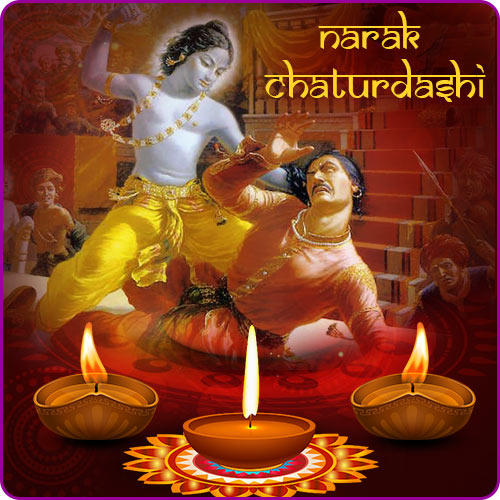
During the combat, Satyabhama played a crucial role. Some legends suggest that when Krishna was momentarily hurt in battle, Satyabhama took up arms herself, fighting the demon with fierce resolve. It is said that this display of courage and determination by Satyabhama dealt a crushing blow to Narakasura’s ego. Realizing that even his magical defenses could not save him, he fought with renewed rage and desperation. But ultimately, he fell to the combined strength and virtue of Krishna and Satyabhama, defeated and stripped of his power.
As Narakasura lay dying, he had a moment of remorse and asked for forgiveness. He requested that his death be commemorated as a day of freedom and joy for all. Krishna granted him this wish, and Bhudevi, his mother, witnessed her son’s end with a sense of sorrow but also relief, knowing that justice had been served.
After Narakasura was defeated, Krishna freed the 16,000 women he had enslaved, giving them back their freedom and dignity. The people of Pragjyotisha and surrounding lands celebrated this victory, lighting lamps to signify the end of Narakasura’s tyranny and the dawn of a new era of peace and justice. This act of illumination symbolized freedom from fear and oppression, with thousands of oil lamps lighting up homes and streets, and joyous celebrations filling the air.
This day, known as Naraka Chaturdashi or Kali Chaudas, became a time to remember Krishna’s triumph and the liberation of the captives. It marks the second day of Diwali and serves as a reminder that darkness will always yield to light and that no force, however powerful, can stand against the forces of dharma.
Rituals of Kali Chaudas
- Abhyang Snan (Purifying Bath): People wake up early for an oil bath, applying sesame oil and fragrant herbs, which is said to cleanse impurities and protect against evil forces.
- Kali Worship: Some families perform rituals for Goddess Kali to ward off negativity and invoke her protective energies.
- Lighting of Lamps: Earthen lamps are lit outside homes, symbolizing the victory of good over evil.
Day 4: Diwali – The Festival of Lights
The main day of Diwali is a celebration of light, love, and prosperity. It marks the return of Lord Rama to Ayodhya after 14 years of exile and his victory over the demon king Ravana. It’s also the day when Lakshmi, the goddess of wealth, is honored to invite prosperity and well-being into people’s lives.
You may also like: Happy Diwali wishes | 50+ Greetings, Quotes, Status Videos, Images
Story Behind Diwali
The story of Diwali celebrating Lord Rama’s return to Ayodhya is one of India’s most beloved epics, filled with themes of virtue, loyalty, and the triumph of good over evil. According to the Ramayana, after years of exile and hardship, Lord Rama finally returned to his kingdom of Ayodhya following his victory over Ravana, the demon king of Lanka.
Rama, the eldest son of King Dasharatha and the crown prince of Ayodhya, had been exiled to the forest for fourteen years due to a series of unfortunate circumstances and promises. His stepmother, Queen Kaikeyi, in a bid to secure the throne for her own son Bharata, demanded that Rama be sent into exile. Honoring his father’s word and demonstrating unshakable obedience to dharma (righteousness), Rama accepted the exile without complaint. His wife, Sita, and his devoted brother, Lakshmana, joined him, choosing loyalty to Rama over the comforts of the royal palace.
During their years in the forest, Rama, Sita, and Lakshmana faced many trials. But the most daunting challenge of all came when Sita was kidnapped by Ravana, the powerful king of Lanka. Ravana, driven by both pride and an uncontrollable desire for power, abducted Sita and held her captive in his kingdom, hoping to win her favor. However, Sita remained steadfast in her love and devotion to Rama, awaiting the day of her rescue.
Rama, determined to bring Sita back, joined forces with Hanuman and the Vanara (monkey) army, led by their brave king Sugriva. Together, they embarked on an epic journey to Lanka, enduring fierce battles, daunting obstacles, and testing encounters with Ravana’s formidable allies. The battle between Rama and Ravana was one of mythic proportions, symbolizing the clash between dharma and adharma (unrighteousness). After an intense and heroic struggle, Rama defeated Ravana, ending the tyrant’s reign and freeing Sita from captivity.
The long-awaited reunion of Rama and Sita was filled with joy and relief, as they finally began their journey back to Ayodhya. Messengers had been sent ahead to the kingdom to inform the people of Ayodhya of their beloved prince’s imminent return. The news spread like wildfire, filling the people’s hearts with joy and excitement. Rama, Sita, and Lakshmana had not only triumphed over Ravana but had also endured years of separation from their family and homeland, remaining steadfast in their virtues and devotion to dharma. Their return marked a moment of celebration for everyone, not just as a royal homecoming but as a symbol of resilience and justice.
The people of Ayodhya were determined to welcome Rama, Sita, and Lakshmana in the grandest way possible. When the day finally arrived, the entire kingdom was adorned with rows upon rows of oil lamps, illuminating the city in a golden glow. This tradition of lighting lamps was meant to signify the banishment of darkness and the triumph of light—a joyful embrace of all that is good, pure, and victorious. Every home, street, and temple was decked with flowers and decorations, as the people of Ayodhya celebrated the return of their rightful king and queen with boundless joy and devotion.
As the royal chariot entered Ayodhya, the air was filled with music, the fragrance of flowers, and the chants of victory and devotion. The people showered petals and offered prayers, honoring the return of Rama, whom they revered not only as their king but as a divine incarnation of Lord Vishnu. This moment was more than just a reunion; it was the beginning of an era of righteousness, compassion, and prosperity under Rama’s rule, often hailed as Rama Rajya—an ideal kingdom embodying fairness, justice, and peace.

From that day onward, the lighting of oil lamps became an annual tradition, evolving into the Diwali festival. It is celebrated not only as a reminder of Rama’s return to Ayodhya but as a symbol of the triumph of light over darkness, virtue over vice, and love over separation. Diwali is a time when families come together to honor these values, decorating their homes with lamps, sharing sweets, and celebrating the blessings of family, love, and prosperity. This ancient story, held in the hearts of millions, continues to illuminate lives every year as Diwali brings light, joy, and hope to communities across the world.
Rituals of Diwali
- Lakshmi Puja: Families perform a special Lakshmi Puja in the evening, offering sweets, flowers, and incense to the goddess to invite her blessings.
- Lighting Diyas and Candles: Homes and neighborhoods are adorned with rows of oil lamps, diyas, and candles.
- Rangoli Making: Colorful patterns called Rangoli are drawn outside homes to welcome positive energies.
- Sharing Sweets: Neighbors exchange sweets, symbolizing love and goodwill.
Day 5: Bali Pratipada – Celebrating Marital Harmony
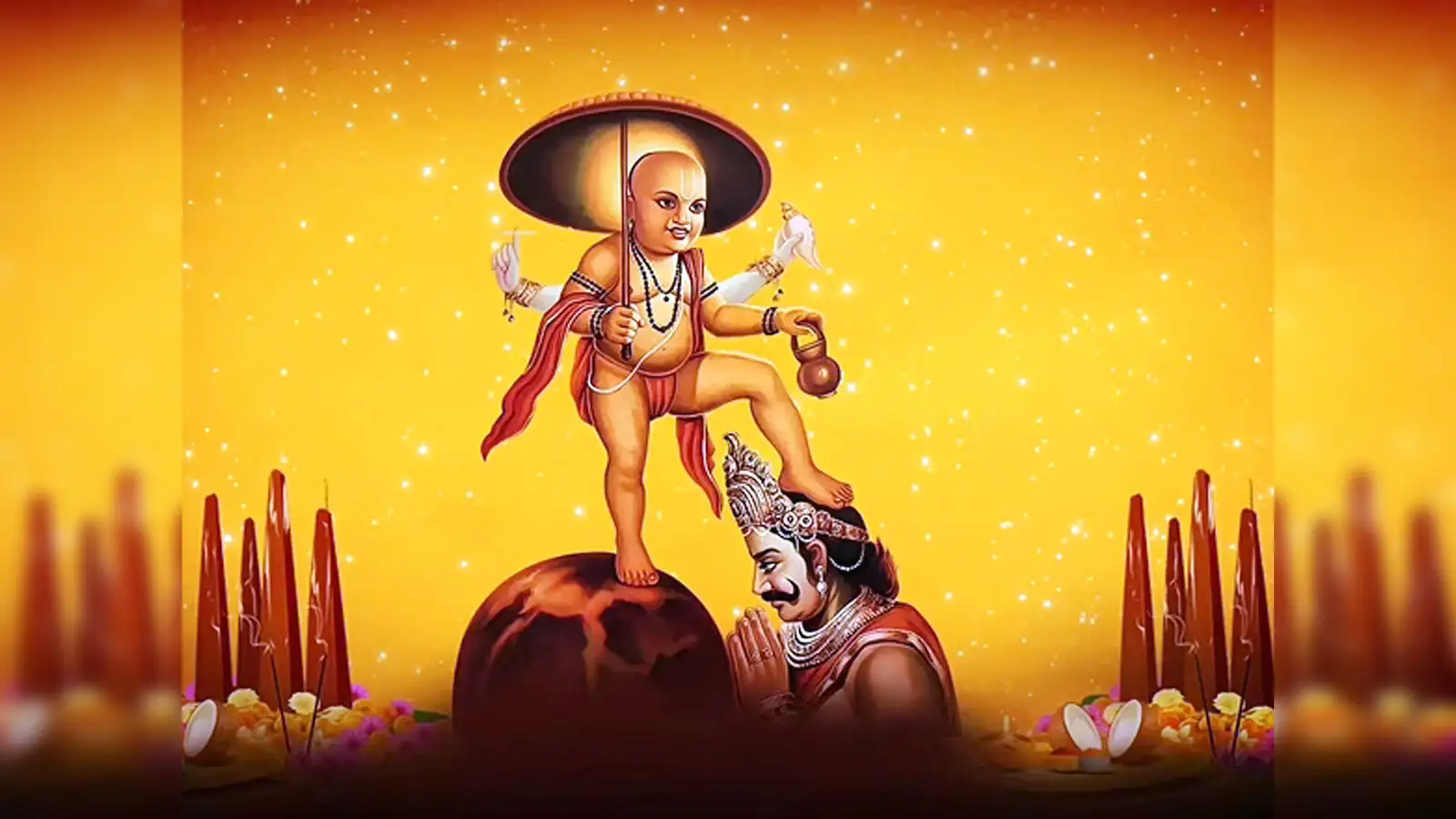
Bali Pratipada, also known as Govardhan Puja or Annakut, celebrates the victory of humility over arrogance. The day honors the mythical King Bali, a benevolent demon king who was known for his charity and piety. It is believed that on this day, Lord Vishnu took the form of a dwarf, Vamana, and pushed Bali into the underworld but granted him the blessing of visiting the earth once a year during Diwali.
Also Read This:
Happy Gujarati new year wishes: 50+ Nutan Varshabhinandan greetings, messages, images, WhatsApp and Facebook status
Labh Pancham 2024: Avoid these 5 Harmful Things| Date, Time, Significance | लाभ पंचमी
Labh Pancham Wishes in Hindi English | 40+ Happy Labh Panchami 2024 Best Greetings, Messages, Status Video | लाभ पंचमी
Story Behind Bali Pratipada
Lord Vishnu, in his Vamana avatar, tricked the prideful yet noble King Bali into surrendering his kingdom. This story reflects the victory of devotion and humility over ego. In some regions, the day also commemorates Lord Krishna lifting the Govardhan hill to protect villagers from a thunderstorm sent by Lord Indra.
Rituals
- Govardhan Puja: People create small hillocks of cow dung or clay to signify Govardhan mountain and decorate them with flowers, symbolizing Lord Krishna’s strength.
- Annakut Feast: A grand meal is prepared and offered to Lord Krishna, and then shared with family and friends to celebrate abundance.
- Honoring Relationships: Married couples exchange gifts and spend quality time together, as it is believed to strengthen marital harmony.
Day 6: Bhai Dooj – Celebrating Sibling Bonds
The final day of Diwali is Bhai Dooj, dedicated to the bond between brothers and sisters. Sisters pray for the long life, happiness, and prosperity of their brothers, while brothers pledge to protect and care for their sisters. (Also Read This: 40+ Happy Bhai Dooj wishes: messages, images, greetings, WhatsApp and Facebook status)
Story Behind Bhai Dooj
The story of Bhai Dooj revolves around the deep bond between Yama, the god of death and justice, and his beloved sister Yamuna, the goddess of the sacred river. Yamuna had a profound love and concern for her brother Yama, and her greatest wish was to see him more often. Yama, however, was bound by his duties as the ruler of the underworld, keeping a balance between life and death. His responsibilities kept him constantly occupied, and his visits to his sister were rare.
Year after year, Yamuna waited for Yama to visit her, and her longing grew. Finally, moved by her devotion, Yama decided to fulfill her wish and visit her on the second day after Diwali, also known as Shukla Paksha Dwitiya in the Hindu calendar. Yamuna’s joy was boundless upon seeing her brother. She welcomed him with a special puja and a grand feast, preparing his favorite dishes and decorating her home with oil lamps and flowers to honor his visit. She applied a sacred tilak on Yama’s forehead, symbolizing protection and a shield against harm. With prayers in her heart, she asked for her brother’s well-being and long life, pouring her love and blessings into each ritual.
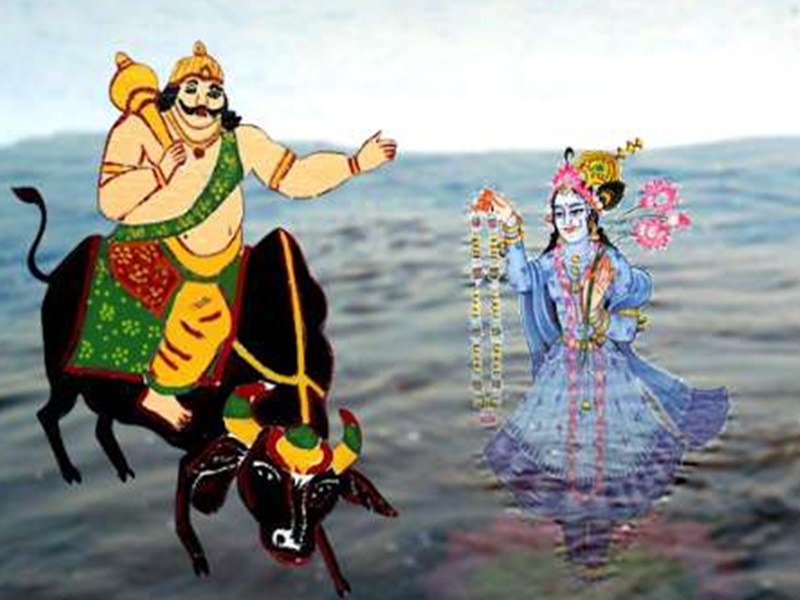
Touched by his sister’s love, Yama felt immense gratitude and affection. He blessed Yamuna with prosperity, happiness, and eternal protection, declaring that any brother who receives a similar welcome from his sister on this day would be blessed with long life and prosperity. He promised to visit her each year on this day, bringing her gifts and spending time together, creating a day dedicated to the sacred bond between siblings.
From that day forward, the festival of Bhai Dooj was born, celebrating the unique love between brothers and sisters. This tradition is a time for siblings to honor each other, express their love, and pray for each other’s happiness and longevity. Sisters perform the tilak ceremony for their brothers, lighting lamps and offering sweets and prayers, while brothers give gifts as a token of gratitude and affection.
The story of Yama and Yamuna serves as a reminder of the bond that transcends time and duty. Bhai Dooj symbolizes the strength of familial ties, the importance of support and love, and the blessings that come from cherished relationships. Each year, as Bhai Dooj arrives, it is a day to celebrate the love and prayers of a sister and the protective blessings of a brother, honoring the timeless story of Yama and Yamuna.
Rituals of Bhai Dooj
- Tilak Ceremony: Sisters apply a ceremonial red mark (tilak) on their brothers’ foreheads, symbolizing their prayers for their brothers’ well-being.
- Exchange of Gifts: Brothers and sisters exchange gifts as a token of love and commitment to each other.
- Special Meal: Families enjoy a hearty meal together, prepared by the sister, symbolizing love and gratitude.
The Diwali festival is a celebration of light, life, and renewal across six meaningful days. Each day comes with unique rituals, historical significance, and timeless stories. From clearing debts to invoking health, dispelling negativity, inviting prosperity, honoring bonds, and sharing love—Diwali encompasses the essence of life’s victories, both big and small.
Diwali 2024 FAQ
What day is Diwali 2024?
Diwali in 2024 will be celebrated on Thursday, November 1st. This day, also known as the Festival of Lights, marks the main celebration day, which is the third day of the five-day Diwali festival.
What are 5 days of Diwali?
The five days of Diwali are Dhanteras, Narak Chaturdashi, Diwali, Govardhan Puja, and Bhai Dooj. Each celebrating prosperity, protection, light, gratitude, and sibling bonds.
Which date is Dhanteras 2024?
In 2024, Dhanteras will be observed on Tuesday, October 29.
What not to buy on Dhanteras?
On Dhanteras, it’s advised to avoid buying items considered inauspicious like sharp objects (knives, scissors), black-colored items, empty containers, and glass. These are believed to bring negative energy or financial instability.
What is the significance of Govatsa Dwadashi?
Govatsa Dwadashi, also known as Nandini Vrata, is a Shaivite thanksgiving festival where cows and calves are honored for their role in sustaining human life. Observers express gratitude by worshipping them and offering wheat-based foods.
How to celebrate Govatsa Dwadashi?
To celebrate Govatsa Dwadashi, devotees worship cows and calves by offering prayers and feeding them wheat-based sweets. Decorations with flowers are common, and families often gather to express gratitude and share festive meals together. Some may also observe rituals or fast for blessings.
What is the story behind Vasu Baras?
Vasu Baras, or Vagh Baras, celebrates the bond between humans and cows, rooted in the story of King Vikramaditya, who prayed for his ailing cow’s recovery. Lord Krishna revived the cow, symbolizing gratitude and reverence for cows in Indian culture.
Why is Dhanteras celebrated?
Dhanteras is celebrated to honor Goddess Lakshmi, the deity of wealth and prosperity, and Lord Dhanvantari, the god of Ayurveda and health. It marks the beginning of Diwali and is considered an auspicious day for purchasing metals, particularly gold and silver, symbolizing wealth and well-being.
What is the time of Dhanteras?
Dhanteras is typically celebrated in the evening, and the most auspicious time for worship, known as “Dhanteras Muhurat,” generally falls between 6:00 PM and 8:00 PM.
What to purchase on Dhanteras?
On Dhanteras, it is auspicious to purchase precious metals like gold and silver, as well as utensils, especially those made of silver or stainless steel. Many also buy new items for the home, such as kitchenware or appliances, to invite prosperity and good luck.
What is the legend behind Dhanteras?
The legend of Dhanteras is linked to Lord Dhanvantari, the deity of Ayurveda, who emerged from the ocean during the churning of the ocean (Samudra Manthan) carrying a pot of nectar.
What are the benefits of Dhanteras?
Dhanteras brings various benefits, including the acquisition of wealth and prosperity by purchasing gold, silver, or new utensils, which are believed to invite good fortune. It also promotes health and well-being through the worship of Lord Dhanvantari, emphasizing the importance of Ayurveda and overall wellness.
Which god is Worshipped during Dhanteras?
During Dhanteras, devotees worship Lord Dhanvantari, the deity of health and Ayurveda, as well as Goddess Lakshmi, the goddess of wealth and prosperity.
How to do Dhanteras puja at home?
To do Dhanteras puja at home, clean your space and set up an altar with idols of Lord Dhanvantari and Goddess Lakshmi, offer Krishna tulsi, cow’s milk, and butter, perform aarti, and recite prayers for health and prosperity. Finally, distribute the prasad among family members to share the blessings.
What is the reason behind Dhanteras?
Dhanteras is celebrated to honor Lord Dhanvantari, the deity of health and Ayurveda, who emerged from the ocean during the Samudra Manthan, symbolizing the importance of health and wealth in life. It also marks the beginning of the Diwali festivities, emphasizing prosperity and well-being.
Who is the goddess of Dhanteras?
The goddess worshipped during Dhanteras is Goddess Lakshmi, who represents wealth, prosperity, and abundance.
What happened in Kali Chaudas?
Kali Chaudas, also known as Naraka Chaturdashi, commemorates the victory of Lord Krishna over the demon Narakasura. According to legend, Krishna freed 16,100 captive princesses and symbolically defeated darkness and ignorance, making it a day for cleansing and renewal before the Diwali celebrations.
Is Kali Chaudas good or bad?
Kali Chaudas is considered a positive day, symbolizing the victory of good over evil. It is a time for cleansing, reflection, and preparation for the auspicious festival of Diwali, representing hope and the triumph of light over darkness.
What to do on Kali Chaudas day?
On Kali Chaudas day, people typically perform rituals to cleanse their homes and themselves, light diyas, and worship Goddess Kali for protection. It’s also common to offer prayers for health and well-being.
What time is Kali Chaudas?
Kali Chaudas on Wednesday, October 30, 2024. Kali Chaudas Muhurat – 12:25 AM to 01:19 AM, Oct 31. Duration – 00 Hours 53 Mins.
Is Diwali on 31 or 1?
Diwali, also known as Deepavali, will be celebrated on November 1, 2024.
What is the time for Diwali Puja in 2024?
The time for Diwali Puja in 2024 is during the Lakshmi Puja Muhurat, which falls on October 31, 2024, from 5:36 PM to 6:16 PM.
What is the first day puja of Diwali?
The first day of Diwali is celebrated as Dhanteras, during which people worship Goddess Lakshmi and Lord Dhanvantari to invite wealth and good health into their homes.
How many days are in Diwali 2024?
Diwali 2024 will be celebrated over six days, starting from October 28 and ending on November 2.
What is the English of Diwali?
The English translation of “Diwali” is “Festival of Lights.”
Are Halloween and Diwali on the same day in 2024?
Yes, Halloween and Diwali fall on the same day in 2024, with both being celebrated on October 31.
Can Muslims celebrate Diwali?
Yes, many Muslims in India and other countries celebrate Diwali, particularly in communities where Hindu and Muslim cultures intersect.
Why is Diwali special?
Diwali is special because it symbolizes the triumph of light over darkness, good over evil, and knowledge over ignorance. Celebrated with beautiful lamps, family gatherings, sweets, and fireworks, it brings people together in joy, gratitude, and the hope for prosperity and peace in the coming year.
What is the main day of Diwali?
The main day of Diwali is celebrated on Lakshmi Puja, which falls on the third day of the festival.
What is eaten during Diwali?
During Diwali, a variety of festive sweets and snacks are enjoyed, including popular treats like laddoos, jalebi, gulab jamun, and barfi. Savory snacks such as samosas, chakli, and chivda are also common, making Diwali a delightful time for indulging in a mix of traditional flavors.
What is the origin of Diwali?
Diwali originated in ancient India and celebrates Lord Rama’s return to Ayodhya after defeating Ravana, symbolizing the victory of light over darkness and good over evil.
Who celebrates Deepavali?
Diwali, or Deepavali, is celebrated primarily by Hindus, Jains, Sikhs, and some Buddhists worldwide, each observing it with unique cultural traditions.
Why is Diwali called the festival of lights?
Diwali is called the “festival of lights” because it symbolizes the victory of light over darkness, good over evil, and knowledge over ignorance, celebrated by lighting lamps, candles, and fireworks.
What are the other names for Diwali?
Diwali is also known as Deepavali, Festival of Lights, and Dipotsavam. In some regions, it is called Tihar (in Nepal) and Bandna (in parts of East India).
How many diyas to light on Diwali?
Many people light 13 diyas on Dhanteras as a symbol of prosperity, and on Diwali night, people light as many as possible to illuminate their homes and invite blessings.
What is the story of Diwali?
Diwali celebrates the return of Lord Rama to Ayodhya after defeating Ravana, symbolizing the victory of light over darkness. It is marked by lighting diyas and honoring Goddess Lakshmi for prosperity and wealth.
Why is Diwali so famous?
Diwali is renowned for celebrating the victory of light over darkness and good over evil, marked by vibrant festivities, lighting of diyas, and the sharing of sweets, bringing joy and unity to communities.
Why do we celebrate Bhai Dooj?
Bhai Dooj is celebrated to honor the bond between brothers and sisters, symbolizing love, protection, and care. On this day, sisters pray for their brothers’ well-being and prosperity, while brothers give gifts in return as a gesture of gratitude and affection.
What is the time of Bhai Dooj in 2024?
In 2024, Bhai Dooj will begin at 8:21 PM on Saturday, November 2, and conclude at 7:52 PM on Sunday, November 3.
Is Bhai Dooj for married girls?
Yes, Bhai Dooj is celebrated by married girls as well, who pray for the well-being and prosperity of their brothers.
How is Bhai Dooj related to Diwali?
Bhai Dooj is celebrated two days after Diwali and emphasizes the special bond between brothers and sisters, serving as a beautiful conclusion to the Diwali festivities.
What is the difference between Rakhi and Bhai Dooj?
Rakhi celebrates the bond of protection between siblings with the tying of a protective thread, while Bhai Dooj, celebrated two days after Diwali, focuses on the love and blessings exchanged between brothers and sisters.
Diwali Special Songs
READ MORE –