Early Intervention in Clubfoot: Paving the Way for a Normal Childhood | Best of World Clubfoot Day 2025 | Clubfoot Treatment
Receiving a diagnosis of clubfoot for a newborn can be an overwhelming moment for parents. However, understanding the critical importance of early intervention is the first step towards ensuring a positive outcome. The period immediately following birth is a golden window of opportunity for treating clubfoot, primarily because a newborn’s bones, joints, ligaments, and tendons are remarkably soft, flexible, and pliable. This inherent malleability makes them highly responsive to gentle manipulation and correction, laying the foundation for a successful and lasting result.
Why Early Intervention is Key
The fundamental principle behind early intervention in clubfoot management is harnessing the natural flexibility of an infant’s tissues. Unlike an older child or adult whose bones and soft tissues have hardened and become more rigid, a baby’s musculoskeletal system can be gradually reshaped. Delaying treatment allows the abnormal positioning of the foot to become more fixed and rigid, making correction significantly more challenging and potentially leading to less optimal outcomes, including a higher likelihood of requiring complex surgical interventions.
The primary goal of early intervention is to achieve a functional, pain-free, and plantigrade foot – meaning a foot that rests flat on the ground and allows the child to walk, run, and participate in activities without limitations. This proactive approach aims to avoid the complications of untreated clubfoot, such as difficulty wearing shoes, chronic pain, calluses, and significant functional disability that can impact a child’s mobility and quality of life as they grow.
What is Clubfoot?: Congenital Deformity
The Ponseti Method: The Cornerstone of Early Intervention
The global standard for early intervention in idiopathic clubfoot is the Ponseti Method. Developed by Dr. Ignacio Ponseti, this non-surgical technique has revolutionized clubfoot treatment, boasting success rates of over 95% when meticulously followed. Its effectiveness is profoundly linked to its early application.
The method typically begins within the first few weeks of a baby’s life, ideally by one to two weeks of age. It involves a series of sequential steps:
- Gentle Manipulations: A pediatric orthopedic specialist performs specific, gentle manipulations of the foot to gradually stretch the tight ligaments and tendons and realign the bones. These manipulations are precise and aim to correct one component of the deformity at a time.
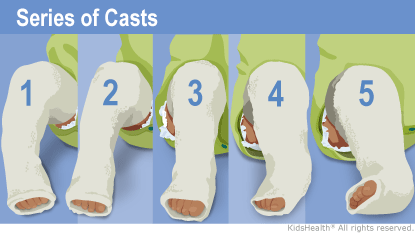
- Serial Casting: Immediately after each manipulation, a long-leg plaster cast is applied from the toes to the upper thigh. This cast holds the foot in the newly corrected position, allowing the stretched tissues to lengthen and the bones to gradually remodel. These casts are typically changed weekly for 5-7 weeks, with each new cast bringing the foot closer to its desired position.
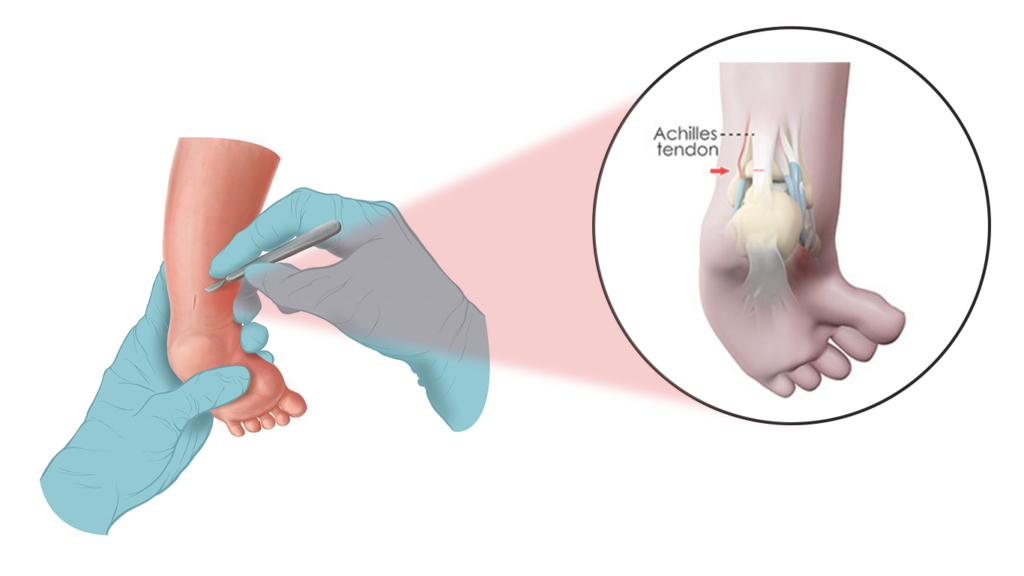
- Achilles Tenotomy (Percutaneous): Towards the end of the casting phase, a minor procedure called a percutaneous Achilles tenotomy is often performed. This involves a small incision (or sometimes a needle) to release the tight Achilles tendon, which is crucial for achieving full dorsiflexion (flexing the foot upwards). This is a quick outpatient procedure performed under local anesthesia, and the foot is then casted for an additional 3 weeks to allow the tendon to heal at a lengthened position.
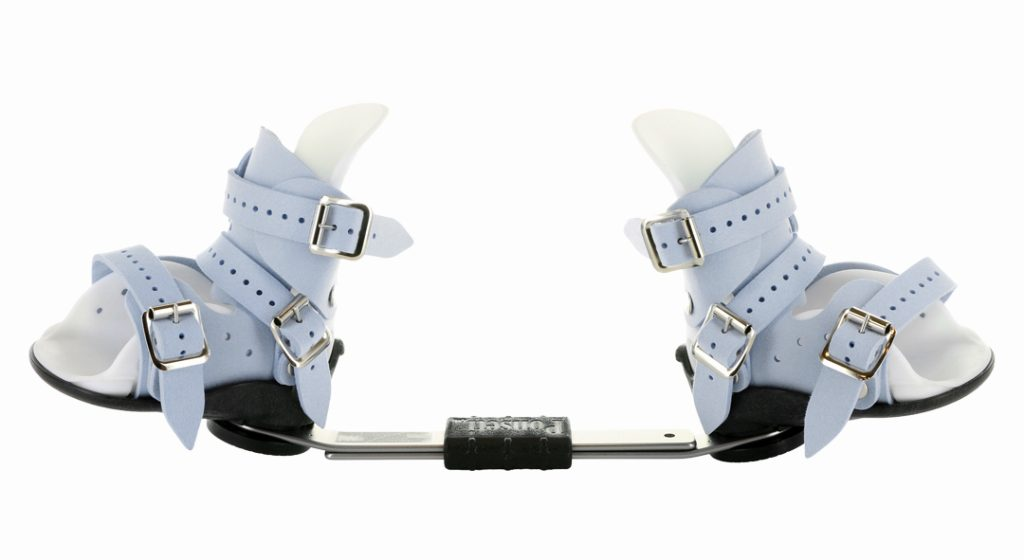
- Bracing (Maintenance Phase): This is perhaps the most critical part of early intervention for long-term success. Once the foot is fully corrected, the child wears a foot abduction brace (FAB) – two shoes attached to a bar. The brace is worn full-time (23 hours a day) for the first three months, and then typically during naps and nighttime (12-14 hours a day) for 4-5 years. The brace prevents recurrence of the deformity as the child grows.
The Benefits Beyond Correction
Early intervention with the Ponseti Method offers numerous benefits beyond just correcting the physical deformity:
- Non-Surgical Focus: It largely avoids the need for complex and invasive surgical procedures, which often carry risks of stiffness, pain, and residual weakness.
- Reduced Cost and Burden: Compared to repeated surgeries and extensive physical therapy over years, the Ponseti Method is significantly more cost-effective and places less physical and emotional burden on the child and family.
- Optimal Functional Outcomes: Children treated early with Ponseti generally achieve excellent mobility, can participate in sports, and wear regular shoes without difficulty.
- Reduced Recurrence: Consistent adherence to the bracing protocol, integral to early intervention, significantly lowers the risk of the clubfoot recurring.
In conclusion, the decision to embark on early intervention for clubfoot is perhaps the most impactful one a family can make. By taking advantage of a newborn’s unique physiology and adhering to established protocols like the Ponseti Method, the vast majority of children with clubfoot can look forward to a childhood unburdened by this common congenital condition, enabling them to stand, walk, and run with confidence and ease.
Film on Awareness: Main Bhi Arjun: Parv
Upcoming Motivational Movie on the condition