Gautama Buddha | Siddhartha Gautama | Best 10 Facts About Culture
Siddhartha Gautama
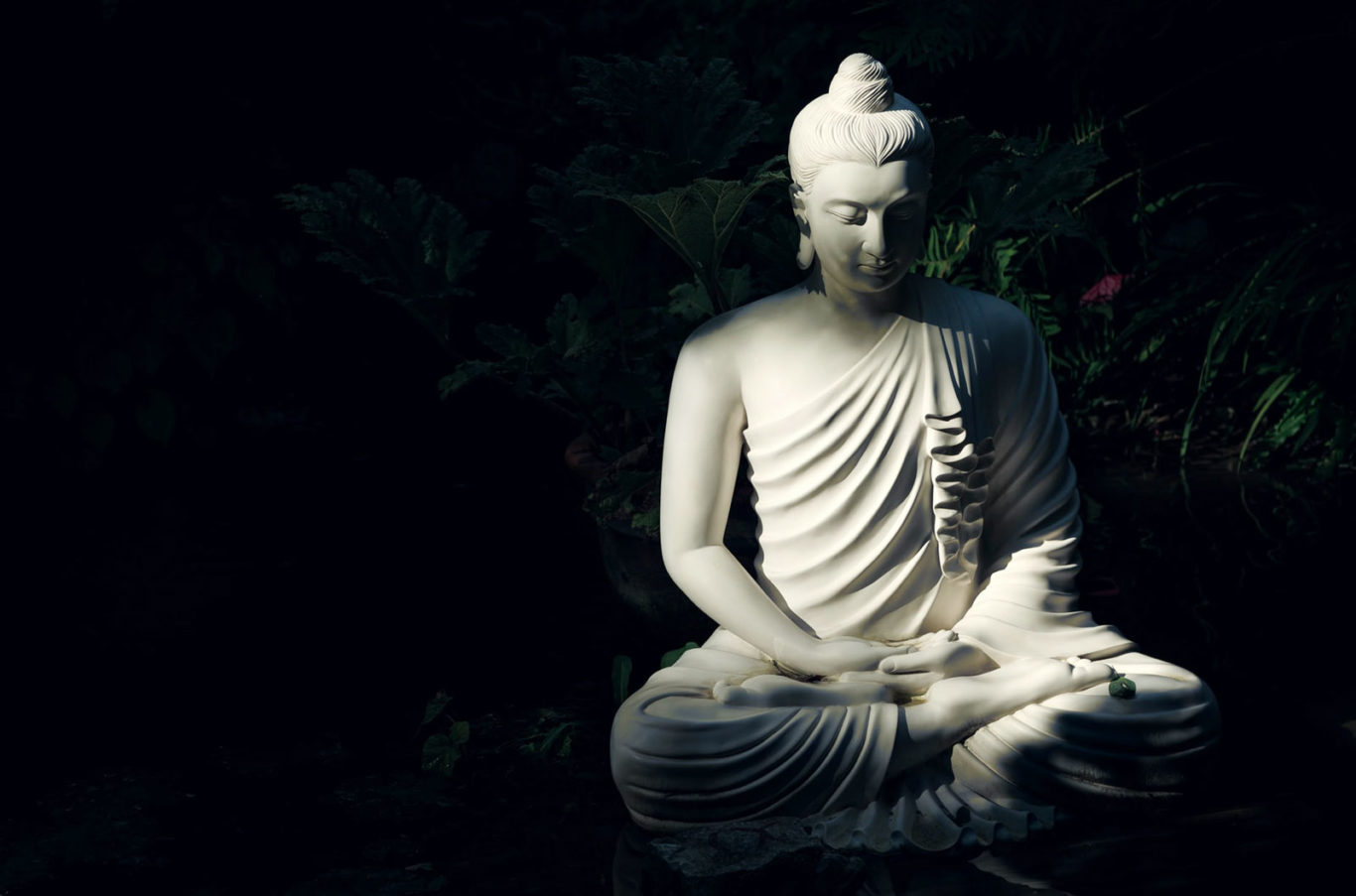
Gautama Buddha, also known as Siddhartha Gautama, was a spiritual teacher and the founder of Buddhism. Born in Lumbini (present-day Nepal) between the 6th and 4th centuries BCE, he was raised in a royal family of the Shakya clan. Despite a life of luxury, Siddhartha was deeply moved by the suffering he observed in the world. This led him to renounce his princely life in search of a path to overcome suffering.
After years of rigorous ascetic practices and meditation, Siddhartha attained enlightenment under a Bodhi tree in Bodh Gaya, India. From then on, he was known as “The Buddha,” meaning “The Awakened One.” He spent the rest of his life teaching the principles of Buddhism, emphasizing the Four Noble Truths and the Noble Eightfold Path as a means to attain liberation from the cycle of birth and death.
The Four Noble Truths are:
- Dukkha: Life involves suffering.
- Samudaya: Suffering is caused by desire and attachment.
- Nirodha: It is possible to end suffering.
- Magga: The path to end suffering is the Noble Eightfold Path.
Read About: Buddha Purnima
The Noble Eightfold Path consists of:
- Right View
- Right Intention
- Right Speech
- Right Action
- Right Livelihood
- Right Effort
- Right Mindfulness
- Right Concentration
Buddha’s teachings advocate a “Middle Way,” avoiding both extreme indulgence and severe asceticism. He emphasized compassion, mindfulness, and ethical conduct as essential components of spiritual development. His teachings have profoundly influenced various cultures and continue to guide millions seeking inner peace and enlightenment.
Buddha passed away at the age of 80 in Kushinagar, India, achieving “Parinirvana,” the final release from the cycle of rebirth. His legacy endures through the global practice of Buddhism, which encompasses diverse traditions like Theravāda, Mahāyāna, and Vajrayāna.